Puppy Training in Anchorage: Classes, Socialization and When to Start
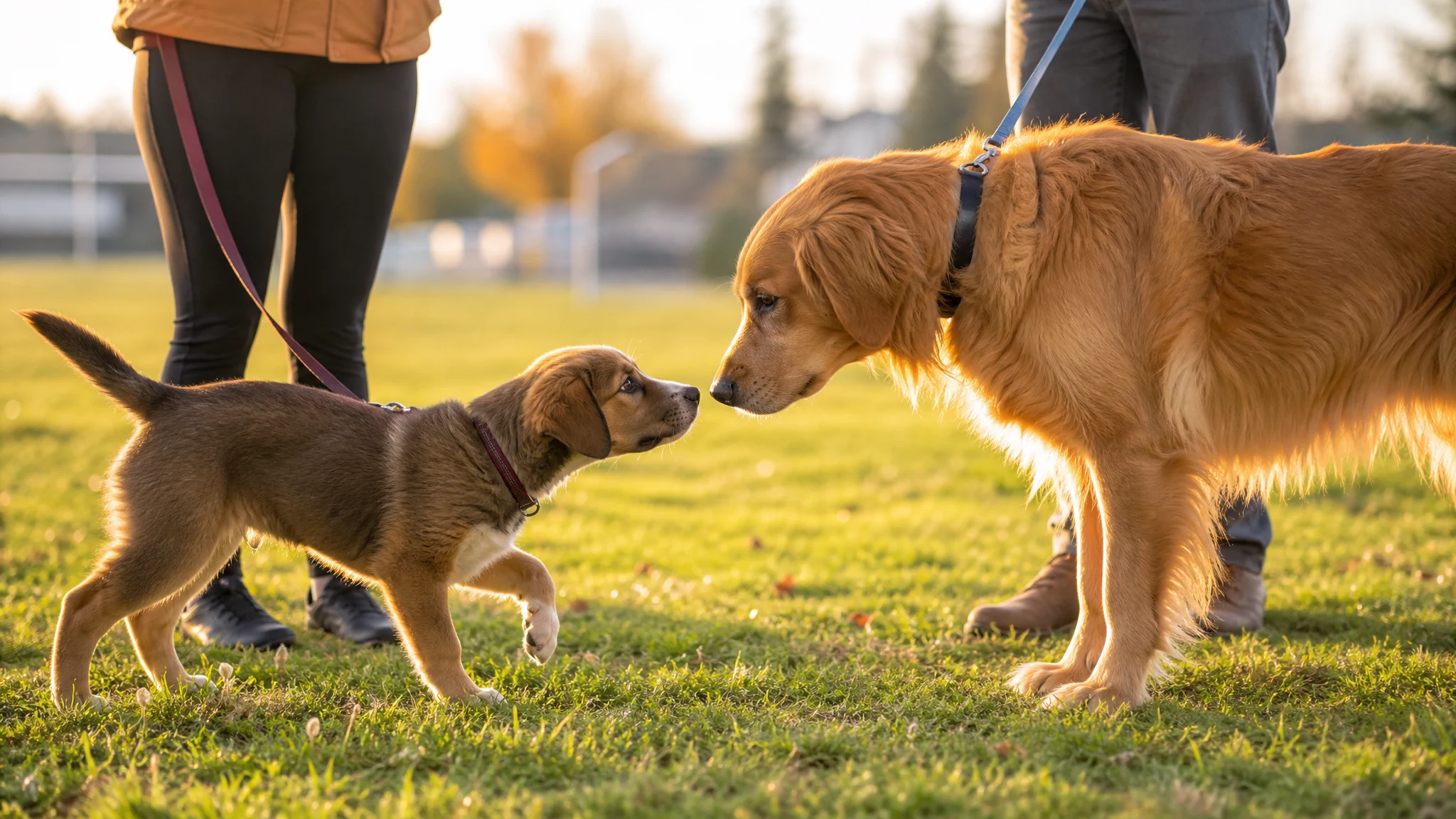
General training information. For aggression, sudden behavior changes or health concerns, see your veterinarian first.
A new puppy in Anchorage comes with a few local twists. Winters are long and dark, moose wander through neighborhoods, and the best socializing spots depend on the season. A little planning helps a lot.
This guide covers when to start puppy training, what to know before you sign up for puppy training classes, how to socialize safely around town, and how to set up the first weeks at home. Everything here uses gentle, reward-based methods.
When to Start Puppy Training
Start at home the day your puppy arrives. Name games, potty routines, calm handling and short sessions with treats all count as training.
Formal puppy classes are a separate question. The American Veterinary Society of Animal Behavior (AVSAB) takes the position that puppy socialization classes can begin before the vaccine series is finished, as long as sensible precautions are in place. The early weeks are when puppies learn the most about what is safe and normal. Waiting until every shot is done can mean missing that window.
Those precautions matter, though. Ask your veterinarian what is right for your puppy, and ask any class provider how they protect young puppies from illness. Your vet knows your puppy's health history and the risks in your area.
What You Need Before You Begin
- Small, soft treats. Pea-sized pieces your puppy can swallow fast. Small pieces keep the training moving and the tummy happy.
- A flat collar or a well-fitted harness, and a standard leash. Under Anchorage rules, a leash, chain or electronic collar that can physically restrain the animal counts as control by leash, so a plain leash is the right tool.
- Vaccination records. Classes ask for proof. Keep a copy on your phone and a paper copy in your bag.
- A crate or a safe, gated space. This gives your puppy a place to rest and keeps them out of trouble when you cannot supervise.
- Waste bags and a towel. Puppies get muddy, snowy and slushy.
- A warm layer for you. Puppy classes and short outings go better when you are not rushing home because your hands are frozen.
Step 1: Check the Legal Basics
Anchorage has a few rules to sort out early. The Municipality of Anchorage Animal Care & Control says all dogs 4 months and older living in the municipality need a current license. A license is valid only if the rabies vaccination is current.
State law requires rabies vaccination of dogs over 4 months of age, according to Animal Care & Control. So the 4 month mark is a good date to circle on your calendar. Your vet will tell you when your puppy's rabies shot is due.
Animal Care & Control lists license fees on its license page. For a dog that is not sterilized, a one-year license is $23. For a sterilized dog, a one-year license is $15. Multi-year options are also listed. Licenses can be issued online, by mail, or in person at Anchorage Animal Care and Control or at participating veterinary clinics.
Step 2: Understand What Local Classes Ask For
Class requirements vary from one provider to another, so always read the policy before you book. As one local example, Alaska Dog Sports LLC explains its vaccine rules in its FAQs:
- Proof of distemper and parvo vaccination is required for all dogs.
- Proof of rabies vaccination is required by 4 months of age.
- Puppies 10 to 14 weeks old need one distemper/parvo vaccination at least 7 days before entering the facility.
- Puppies 15 weeks and older need two distemper/parvo vaccinations.
Alaska Dog Sports lists its physical address as 2000 West International Airport Road, Suite A7. Check with them directly about current class offerings, schedules and fees. We do not have published prices to share.
Other trainers in Anchorage are listed in a third-party directory, DogTrainerLocator.com, with the CPDT-KA credential: Janelle Doggett of Alyeska Canine Trainers, Justin Macias of Stay Frosty K9 Training, and Lucy Bailey, who lists remote training. The directory is not the certifying body, so it is wise to confirm credentials with the CCPDT yourself. Ask each one whether they offer puppy training classes and what their health requirements are.
Alaska Dog Sports also lists Sheryl Makelim as a CCTBS and CPDT-KA instructor on its own staff page.
Questions to ask any class provider
- What vaccines do you require, and how many days before the first class?
- How many puppies are in a class, and how are they matched by age and size?
- What training methods do you use? Look for reward-based answers and no shock, prong or choke tools.
- How are puppies who feel overwhelmed given a break?
- How do you clean the space between classes?
Step 3: Build a Safe Socialization Plan
Socialization means helping your puppy feel calm about the world, not meeting every dog and person. Good socialization is about quality. A puppy who watches a bus go by and gets a treat is learning something useful.
Aim for short, positive exposures. Keep your puppy at a distance where they can stay relaxed and take food. If they freeze, hide or refuse treats, you are too close. Move back and try again another day.
Things to introduce gradually
- Different surfaces: snow, ice, gravel, wet pavement, grates and wood floors.
- Winter gear: people in big parkas, hoods, hats and boots.
- Sounds: snow blowers, plows, garage doors, sleds and trucks.
- Handling: paws, ears, collar and harness, and a towel rub-down.
- Calm, friendly adult dogs who are known to be gentle and fully vaccinated.
- Car rides, starting with short trips that end somewhere pleasant.
Anchorage places to consider
Municipality of Anchorage Parks and Recreation lists a number of off-leash dog areas. Some are fenced, and some are trails. Chanshtnu Muldoon Dog Park and Whisper Faith Kovach Park each have a separate enclosed section for small dogs under 25 lbs. Valley of the Moon Park and Arctic Benson Park have fenced off-leash areas. South Anchorage Sports Park lists both trails and a fenced area.
Be thoughtful about when to use them. A busy off-leash area can be too much for a young puppy who has not finished vaccines. Ask your vet when your puppy is ready. Many owners start with quiet time on the edge of a park, watching from a distance, before going in.
The Parks and Recreation page also lists rules for off-leash areas. At Russian Jack Springs Park, dogs must be licensed and have a current rabies vaccination. At the listed areas, dogs must be leashed when entering and leaving, and owners must stay in the dog area. Classified dogs and females in heat are prohibited at Connors Bog and Russian Jack Springs Park. Parks and Recreation does not publish fees or hours on that page, so check with them for details.
Anchorage rules say off-leash is allowed only in a designated off-leash dog park space, or when a dog is under control by command, which has specific criteria. Without a leash, your puppy's recall needs to be very reliable first. Most young puppies are not there yet.
Step 4: Plan the First Weeks at Home
The first weeks set up routines. Here is a simple order that many owners find helpful.
- Set a schedule. Take your puppy out after waking, after meals, after play and before bed. Reward in the right spot, right away.
- Teach the name game. Say the name once, and when your puppy looks at you, give a treat. Do this in short bursts through the day.
- Introduce the crate slowly. Toss treats inside, feed meals near it, and keep the door open at first. Short, calm stays build comfort.
- Practice sit and down with a lure. Hold a treat at the nose, move it slowly, and reward the moment the position happens. Keep sessions to a minute or two.
- Teach leash manners indoors first. Let your puppy drag a light leash in the house while you play. Then take short walks and reward when the leash is loose.
- Handle gently every day. Touch paws, ears and mouth briefly, pair with a treat, and stop before your puppy gets fussy.
- Offer chew toys. Redirect nipping to a toy instead of scolding. Trade for a treat if your puppy picks up something off limits.
Step 5: Keep Training Going Through an Alaska Year
Short outdoor sessions help in winter. Cold ground and dark afternoons can make a long outing a poor idea for a small puppy. Indoor games such as hide and seek, a treat scatter and short recall practice in the hallway keep learning alive.
Ice, salt and extreme cold can affect paws and comfort. We do not have local guidance on those, so ask your vet what is safe for your puppy's age, size and coat.
Local Hazards to Plan Around
Moose. Alaska's News Source reported, quoting an Alaska Department of Fish and Game biologist, that a moose killed a dog in a fenced East Anchorage backyard in January 2023. The advice from ADF&G was to keep a safe distance from moose, supervise dogs closely outdoors, and not feed moose. Moose come into town in deep snow and can be stressed.
For a puppy, that means leashed potty trips on winter evenings, a quick look around before opening the door, and no letting a puppy run ahead into the dark. Calmly walk your puppy away if you see a moose.
Lakes. Municipal parks guidance says dog swimming is prohibited at University Lake Park, and it advises awareness of lakes posted against dog swimming. Read the signs, and keep your puppy out of posted water.
Common Mistakes to Avoid
- Waiting too long to start. Early, careful socialization matters. Talk to your vet about the right timing.
- Flooding your puppy. A big crowd or a rowdy dog park can leave a puppy scared. Go slowly.
- Letting a puppy meet every dog. Pick calm, known, vaccinated dogs and keep greetings short.
- Skipping paperwork. Classes want proof of vaccines. Booking before the right number of shots means a delay.
- Using punishment. Yelling, rough handling or harsh tools can damage trust. AVSAB supports reward-based training. Skip shock, prong and choke collars, and never use alpha rolls or scruffing.
- Long sessions. Two to five minutes, a few times a day, works better than one long drill.
- Leaving a puppy unsupervised outside. Between moose and winter weather, stay with your puppy.
What Results to Expect
Every puppy learns at their own pace. With regular, short, reward-based practice, many puppies begin to respond to their name, settle in a crate and walk more calmly on a leash within a few weeks. Potty training often takes longer and may include setbacks.
A well-run class may help your puppy get comfortable around other dogs and people, and can help you learn to read body language. Results depend on your puppy's age, background, personality and how consistently everyone in the home practices. No class can promise a particular outcome.
When to Get Extra Help
See your veterinarian if your puppy is sick, has diarrhea or vomiting, stops eating, or seems in pain. A medical problem can look like a behavior problem.
If your puppy growls, snaps or bites people, talk to your veterinarian and a certified behavior professional. Do not wait and hope it passes. We do not have a local behavior professional to name, so ask your vet for a referral.
Sources
- Municipality of Anchorage, Animal Care & Control: Dog license
- Municipality of Anchorage, Animal Care & Control: Rabies vaccine
- Municipality of Anchorage, Animal Care & Control: Leash law
- Municipality of Anchorage Parks and Recreation: Dog parks
- Alaska Dog Sports LLC: FAQs
- Alaska Dog Sports LLC: Staff
- DogTrainerLocator.com: Janelle Doggett
- DogTrainerLocator.com: Justin Macias
- DogTrainerLocator.com: Lucy Bailey
- Alaska's News Source: Fish and Game warns of aggressive moose after dog is killed